
Behind the Loom: Meet the Artisans Who Make Every Shukra Saree

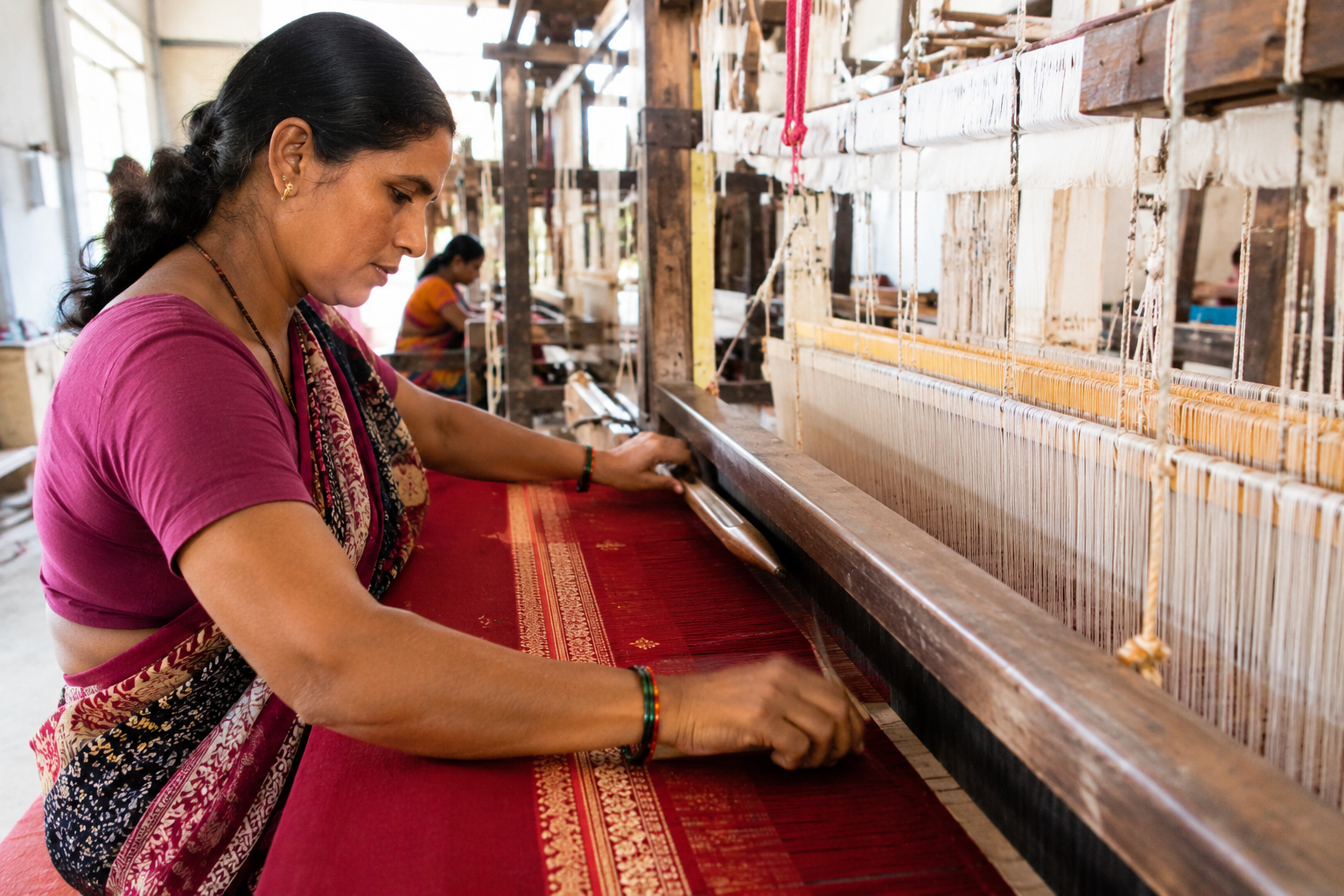
Every Shukra saree starts long before it reaches a box — on a loom, in the hands of an artisan whose skill was very likely taught to them by a parent or grandparent. This is their story, or at least the beginning of it.
It’s tempting, when writing a post like this, to reach for warm generalities — “generations of skill,” “passed down through families” — without ever naming a single real person. We’ve deliberately left this post as a template rather than doing that, because the whole point of a post like this is specificity: a real name, a real place, a real craft, told with the same honesty this brand asks of everything else it says.
[Artisan / Craft Cluster Name — confirm before publishing]
[This section needs a real name, region, and craft specialty — e.g. a specific weaving cluster or block-printing workshop Shukra partners with. Placeholder: “In [region], the tradition of [craft technique] has been passed down through [number] generations of the [family/cluster] name.”]
A Day in a Craft Most Customers Never See
[This is a strong section to build out once real sourcing is available — a short, concrete walk through what a single working day actually looks like for the artisan or workshop: what time the loom starts, how long a single motif or border takes to complete by hand, what the workspace looks like. Concrete, sensory detail here does more to build trust than any general statement about “heritage” ever could.]
What Goes Into a Single Saree
[Confirm real production details before publishing — e.g. approximate hours or days a single saree takes to weave or print, number of artisans typically involved, and any specific techniques worth highlighting.]
Why This Matters to Us
Buying a Shukra saree isn’t just choosing a garment — it’s choosing to keep a specific, generations-old skill economically viable. [Confirm any specific fair-trade, sourcing, or artisan-partnership commitments before publishing, so this claim is accurate and verifiable.]
Questions Worth Answering Before This Goes Live
[A short list to work through with your supply chain team before publishing: How many artisans or workshops does Shukra currently partner with? Is it a direct relationship or through an intermediary? What do fair wages and working conditions look like in that partnership, concretely? Is there a specific region or family whose story is compelling enough to anchor the whole post around? Answering even two or three of these turns this from a generic template into a real, trust-building story.]
A Note Before Publishing
This post is structured as a template, deliberately. Publishing artisan stories without real names, real quotes, and real photography risks misrepresenting actual people — worth treating as a priority to properly source (a short interview, a few quotes, and real photos) rather than filling in generically. This is the one post on this list where “detailed” should mean “true,” not “long.”
Read more about the craft behind every saree → See our heritage story
We’d Love to Hear From You
Chapter Two is already taking shape, and we’re building it with people who read all the way to the end of a blog post — which, if you’re here, is you.
Subscribe below and you’ll hear about new sarees, new stories, and new chapters before anyone else does. And if you have a thought, a question, or something you’d like us to write about next, don’t keep it to yourself — we read every message.